
Peak performance, whether in sport, work, or daily life, starts with what you feed your body and mind. This guide focuses on practical, evidence informed strategies designed to help athletes, weekend warriors, and anyone seeking an edge. Central to these recommendations is holistic nutrition: an approach that treats food, lifestyle, and recovery as interconnected pieces of the performance puzzle.
What is Holistic Nutrition?
At its core, holistic nutrition emphasizes whole foods, balanced macronutrients, and personalized habits that support long-term health. Unlike fad diets, a holistic approach looks beyond calories to consider micronutrients, sleep, stress, gut health, and sustainable eating patterns that fuel consistent gains.
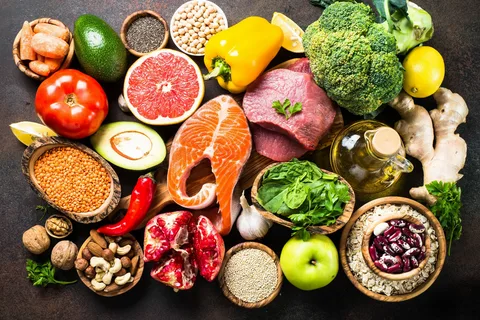
Prepare Your Plate to Perform.
The simple plan gives you a chance to prepare the meals that support training:
- Give more attention to vegetables and fruits as the source of vitamins, antioxidants, and fiber.
- Consume healthy protein-based foods at every dinner table to ensure that the body restores and adapts muscles.
- Select a more vigorous exercise in which you desire to replenish the glycogen reserves through whole-grain or starchy carbohydrates.
- Use healthy fats to regulate hormones and provide prolonged energy.
The guidelines of whole food nutrition apply to the daily choices that make all nutritional inputs contribute to increased recovery, energy balance, and stress resilience to exercising.
The Macronutrient and Timing Strategy.
You can eat anything, but at what time? A carbohydrate-based snack 60-90 minutes before intense training improves the energy supply. Eating protein and carbohydrates following sessions at a 30–60 minute interval is advised to have the maximum muscle glycogen replenished and repaired. During longer events, it is good to be fueled throughout the exercise period; power output can be maintained by taking small and frequent doses of carbohydrates.
Prioritize Micronutrient Density
Micronutrients are performance’s unsung heroes. Iron, Vitamin D, magnesium, B-vitamins, and zinc have a role in the delivery of oxygen, bone health, sleep quality, and the effectiveness of metabolism. Inclusion of a wide range of nutrient-dense foods – leafy greens, pulses (beans, lentils, etc.), nuts, seeds, oily fish, and fortified foods will help to lower the risk of deficiency. The consistent examination and work with an experienced health care worker can reveal holes that should be addressed specifically.

Hydration and Electrolyte Balance
Cognitive and physical performance is affected even by slight forms of dehydration. Hydrate to thirst as a starting point and devise a hydration prescription based on a training day, which includes the use of electrolytes on training days that are longer than 60-90 minutes. Check the changes in body weight during and after the session and substitute fluids.
Sleep, Stress, and Recovery
No diet can work against sleep deprivation or undiagnosed stress. Enhancing sleep quality, schedule, a dark room, and less evening screen time improves the effects of a performance nutrition plan. Active recovery, mobility work, and periodized rest days are recovery strategies that are complementary to dietary strategies to facilitate adaptation.
Gastrointestinal health and food intolerance.
A healthy gut enhances the absorption of nutrients and comfort in the course of training. Add fermented foods, soluble fiber, and divergent plant foods to maintain a diverse microbiome. In case you think that you are food sensitive, an elimination trial under the supervision of a professional can be used to identify triggers without necessarily being restrictive.
Smart Supplementation
Supplements may be a practical option in situations where it has been demonstrated to be helpful and the dietary consumption is too low. Performance-backed advantages of creatine monohydrate, beta-alanine, and caffeine have been proven to be beneficial to a good number of athletes. Supplementation of vitamin D and iron should be determined through laboratory tests. Do not use it indiscriminately; use food-first strategies and prefer products that are tested by a third party.
Sample Day on Performance-oriented Eating.
- Breakfast: whey or plant protein oat porridge, mixed berries, and one tbsp nut butter
- Pre-workout: Banana and rice cake, large yogurt, and honey.
- Post-training: protein, frozen fruit, spinach, and oats smoothie.
- Lunch: Grilled Salmon, quinoa, mixed greens, and roasted sweet potato.
- Snack: Almonds, hummus with sliced vegetables.
- Dinner: This is the lean meat/tofu stir-fry that is prepared with brown rice and assorted colorful vegetables.
- Evening: Cottage cheese, or a casein-protein alternative instead of cottage cheese, where the duration of rest necessitates it to be overnight.
Periodizing Nutrition with Training Cycles
Align energy consumption and macronutrient focus to training phases. Constructive energy is required in the build phases due to the adaptation of carbohydrates and calories; reducing total energy can be utilized in taper and recovery phases to maintain lean mass. This dynamic approach is a key component of effective holistic nutrition for athletes.

Practical Habits that Stick
Perfection means little to no constant actions. Arrange training around food, prepare meals in batches to lessen decision fatigue, bring along snacks to eat on the go during a long day, and train on race/event day feeding regimens to prevent last-minute surprises.
How to Get Started
Start with a three-step audit: a one-week food and training monitoring, determining the nutritional gaps that are easily addressed (e.g., the lack of proteins in the breakfast), and improving the situation by making two specific changes in the next week. However, to have a more systematic approach, you can use evidence-based holistic nutrition programs organized by a certified coach or a registered dietician with your skills in performance nutrition.
Special Considerations: Travel, Competition, and Busy Lives
Following a plan can be difficult for athletes and other professionals traveling. Pay attention to mobile, packaged, and nutritious items such as nuts, dried fruits, canned fish, ready-to-eat items, and single-serve nut butters. To maintain a healthy eating strategy while traveling, consider avoiding the typical hotel and airport food options by focusing on lean proteins, fresh salads with olive oil, and whole-grain sides. This approach helps ensure nutritious meals that support your goals even on the go.
Women’s and Masters Athlete Needs
There are hormones, iron status, and caloric requirements during the lifespan. This is because female athletes and participants in masters are usually in need of specific attention in terms of iron, calcium, and the general energy supply. A nutritional approach based on a holistic view of the human body that considers aspects of the menstrual cycle, restoration rate, and bone sustainability promotes sports longevity.
Holistic Nutrition Tips
| Tip | Action | When |
| Balanced plate | Veg + protein + whole grain + fat | Every meal |
| Fuel timing | Carb 60–90 min pre; protein + carb 30–60 min post | Around workouts |
| Hydration | Drink to thirst; add electrolytes if >60–90 min. | Training days |
| Sleep | 7–9 hrs, consistent schedule | Nightly |
| Check labs | Test iron & D; supplement only if low | Quarterly |
Tracking and Simple Metrics
Use practical metrics to guide adjustments: training energy levels, sleep quality, mood, menstrual regularity, and body composition trends over weeks. Foods should enhance not detract from daily performance. Aim to combine nutrient timing with whole-food choices to improve outputs in training and competition.
Real-World Example
A collegiate runner increased weekly training load while following a whole-food plan focused on timely carbohydrate intake, daily protein targets, and targeted iron monitoring. Within six weeks, the athlete reported improved session splits, faster recovery, and fewer illness days. This case highlights how a performance-focused lens and consistent holistic nutrition approach can deliver measurable gains.
Summary and Next Steps
Implementing these strategies starts with practical, sustainable changes: plan meals around training, prioritize micronutrient-rich foods, keep hydration and sleep optimized, and practice fueling during workouts. If your goals include competitive gains or consistent improvement in day-to-day energy, pay attention to nutrition for performance and consider working with professionals who can individualize plans.If you’re aiming to reach new performance goals, explore custom Nutrition and fitness coaching to create a plan that fits your training, preferences, and schedule.
DMV Fitness, a holistic approach, unites nutrition, fitness, and recovery strategies to help you perform at your peak. Call us today at 571-585-9255 or email [email protected] to start your journey.
Frequently Asked Questions
What is holistic nutrition?
A whole-body approach that uses food, sleep, stress management, and recovery to support long-term performance.
How quickly will I see performance improvements?
Small gains (energy, recovery) in 1–3 weeks; measurable performance changes often take 4–12+ weeks, depending on training and consistency.
Do I need supplements?
Not first use a food-first approach. Supplement only when labs show a deficiency or for evidence-backed aids (e.g., creatine, caffeine) under guidance.
How should I handle fueling when traveling or competing?
Pack portable, nutrient-dense options (nuts, dried fruit, canned fish, single-serve nut butter), practice fueling during training, and choose simple protein + carb meals at airports/hotels.
Is this approach only for elite athletes?
No the same principles boost energy, recovery, and cognition for recreational athletes and busy professionals too.