
The last thing you want to do is allow yourself to be distracted from a difficult workout by uncomfortable shoes or poorly fitting clothes. How’d you feel moving through every moment with gear that feels as if it was built specifically for you, supporting, motivating, and protecting you every step of the way? That’s the game-changer.
Studies have shown that almost 9 out of 10 people who use the right fitness equipment stay committed to their routines for a longer period and train more efficiently. In this guide, you’ll find out how to choose the best fitness gear for your goals and how to keep your gear performing at its best.
Understanding Your Fitness Needs
Identify Your Fitness Goals
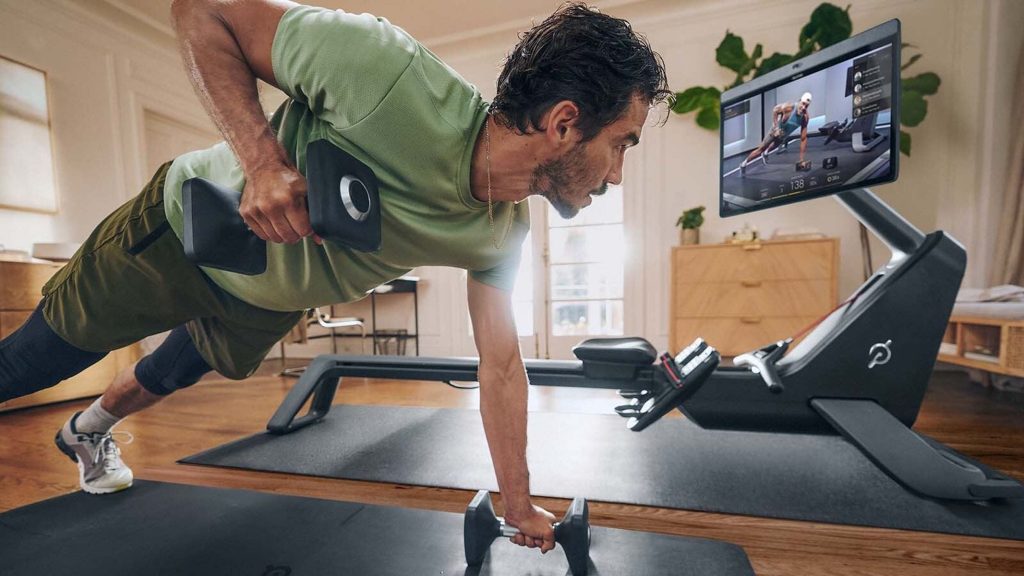
Your gear must match your goals. For weight loss, breathable clothes and running shoes may be required. For weight training, it is necessary to wear flat shoes and support gear such as lifting belts. For yoga or stretching, flexible clothing is best. When you have the right gear for the right exercise, you will save money and prevent injury.
Match the Best Fitness Gear to Workout Type
Different workouts call for different gear. Cardio exercises require light footwear with good cushioning. Stable shoes are essential for a strength workout. Outdoor training may require warm or cool clothing depending on the weather conditions. Choosing the right gear is the basis behind building your routine with the best fitness gear.
Choosing the Right Fitness Apparel
Fabric and Breathability
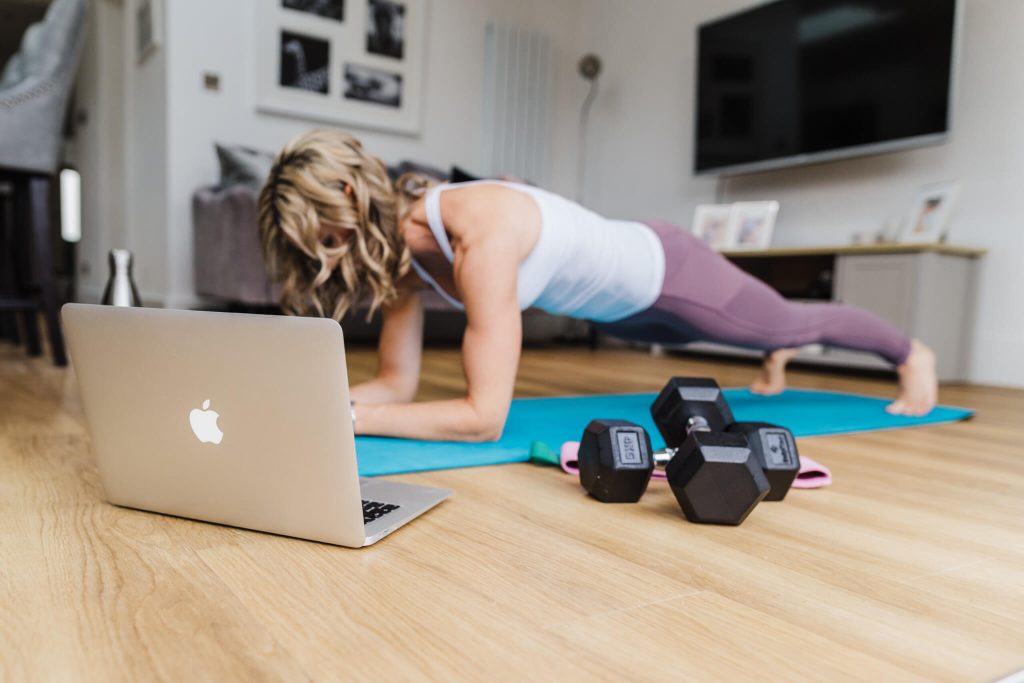
Your body sweats when you work out. Clothes made from moisture-wicking fabric dry faster and will keep you fresh. Cotton holds sweat and makes you heavy. According to research by the American Council on Exercise, individuals who wear dry-fit material feel 25 percent more comfortable when they work out for a long period of time.
Fit and Flexibility
Loose clothes could get in the way. If a person is wearing tight clothes, this can prevent movement. There is no stress when clothes fit correctly. This is where gym gear essentials step in. A couple of decent stretch shirts and shorts are great for a start.
Seasonal Considerations
The best fitness gear should also be the right one for the weather. Breathable fabric is required in hot months. In cold months, it is important to choose clothing that provides warmth while also allowing sweat to escape. Lightweight jackets are ideal for outdoor winter runs.
Selecting the Right Footwear for Exercise
Best Shoes for Running
Running shoes require cushioning to protect the knees. Research has indicated that improper shoes can increase the risk of knee injury by 20 percent. On average, a good running shoe will last for between 300 and 500 miles. Keep track of how much you run so you know when to change them.
Best Shoes for Strength Training
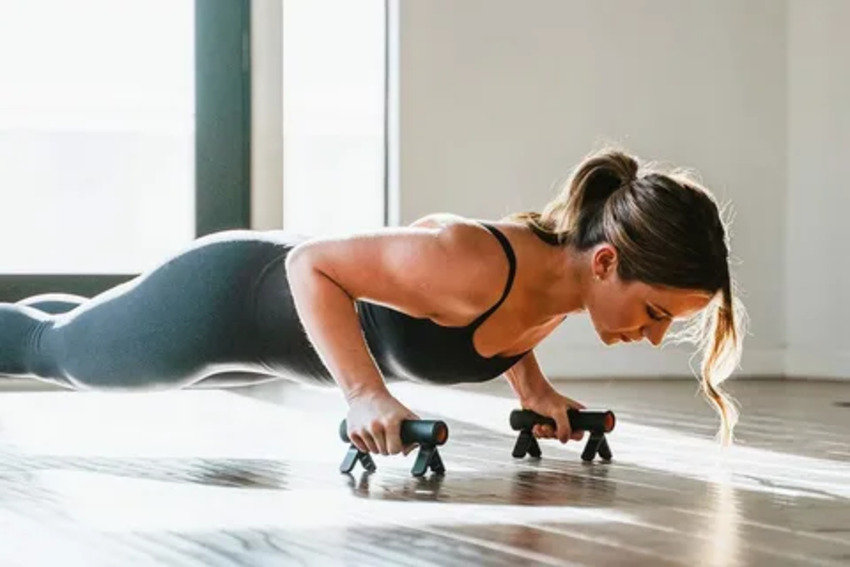
For weight lifting, you will require shoes that will keep you stable. Flat soles allow you to be well-balanced while squatting and deadlifting. Wearing raised heel shoes is also useful if you do Olympic lifts. These shoes help minimize the likelihood of you slipping and protect your ankles.
Best Cross Training Shoes
For workouts involving a combination of cardio and lifting, the best option is cross training shoes. They provide some cushioning and good stability. This makes them a decent piece of essential fitness gear for people who switch workouts.
Must Have Fitness Accessories
Support and Safety Gear
Gloves protect your hands, while lifting belts protect your lower back. Knee sleeves provide stability while doing heavy squats. These tools are not just for pros. They can protect anybody.
Hydration Tools
Water keeps you moving. Dehydration causes up to a 30 percent decrease in performance. Always carry a reusable bottle of water with you. Hydration packs are useful for long-distance runs and hikes.
Fitness Tech and Tracking Devices
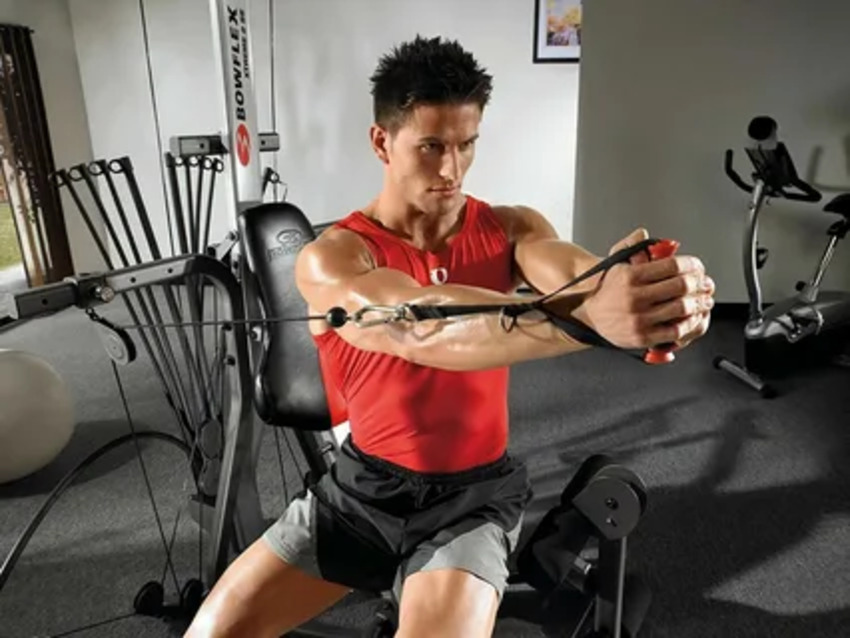
Balancing Quality and Budget
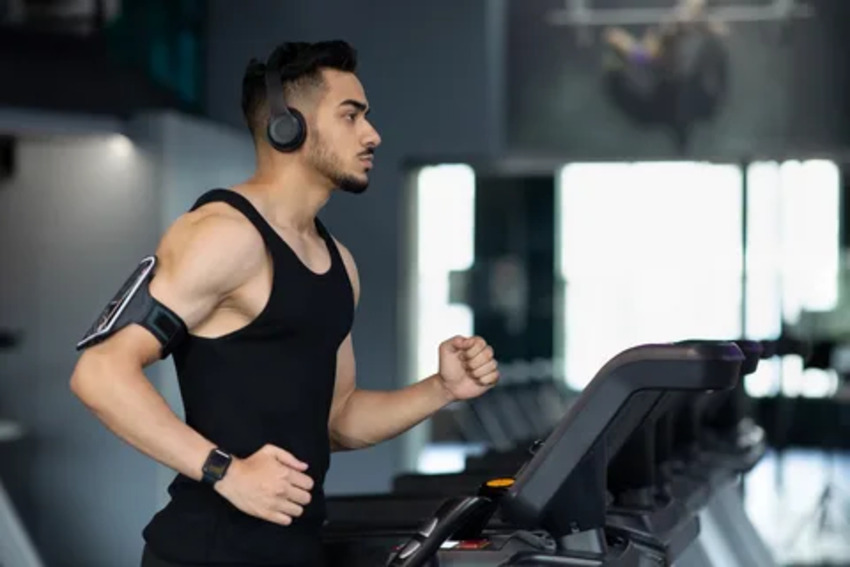
Watches and trackers track your heart rate, calories, and steps. People who monitor their workouts are 27 per cent more likely to meet fitness goals. While you may be following a daily fitness routine, having a personalized fitness app can help keep you on track.
Where to Invest
Spend more money on the shoes and support gear. Shoes protect your joints. Support gear helps avoid injuries. A study in the Journal of Sports Medicine showed that poor shoes are linked to 40 percent of running injuries.
Where to Save
You can save money on clothes and accessories. Many brands are selling dry-fit shirts and shorts, which last for months and are very cheap. Purchasing a few essential items keeps you prepared without substantial expenditures.
Safety and Comfort First
Preventing Injuries With the Best Fitness Gear
Incorrect gear leads to injuries. Shin splints are caused by wearing shoes that don’t offer support. Loose clothes could get caught in machines. Good gear keeps you safe.
Comfort as Motivation
When people feel good in their gear, they don’t miss a workout as much. A study reported that 69 percent of people are more encouraged to work out when they like their gym apparel.
Caring for Your Fitness Gear
Cleaning and Storage Tips
Wash the workout clothes with mild soap and cold water. Hang them dry to prevent the fabric from losing strength. Shoes should be stored in a dry place to avoid damage.
Knowing When to Replace
Shoes lose support after several months of use. Replace them after 6 to 12 months, depending on use. Get new clothes when the fabric stretches out or holds an odor. Fitness gear lasts longer when it is properly cared for.
What to Look for in Fitness Gear
| Gear Type | What to Check For | Replacement Timeline |
| Running Shoes | Cushioning, arch support | Every 6–12 months |
| Strength Shoes | Flat sole, stability | Every 12 months |
| Workout Clothes | Breathable, stretchable fabric | When stretched/odor |
| Safety Accessories | Belts, gloves, sleeves | As needed |
| Tech Accessories | Tracking features, battery life | Every 2–3 years |
Important Reminders
- Match custom fitness gear to your type of workout.
- Buy shoes and protective equipment.
- Comfort and fit matter most.
- Replace the gear when worn out.
- Keep water close at all times.
Key Takeaways
- The best fitness gear depends on your goals and workouts.
- Shoes are the first place to invest money.
- Accessories like belts, gloves, and trackers protect and guide you.
- Comfort helps make workouts easier to repeat.
- Good care keeps your gear strong for longer.
Final Thoughts
Selecting the best fitness gear has nothing to do with fashion. It revolves around performance, comfort, and safety. Accessories, clothing, and shoes all work together to improve your training. Take care of what you buy, start with the essentials, and invest where it counts. A little preparation now will prevent injuries and financial loss later. With their best tips and reliable products, professionals like DMV Fitness can help you make decisions. Do you need help finding the best fitness gear? For assistance on your fitness journey, give a call at 571-585-9255 or send an email to [email protected].
Frequently Asked Questions
How do I know if I picked the right shoes?
If you feel supported while wearing them and suffer no pain after workout sessions, you can say your shoes are likely a good match.
How often should I change my gym shoes?
Most shoes will wear out at 300 to 500 miles or within 6 to 12 months of regular use at the gym.
Is expensive gear always better?
Not always. Shoes and safety gear are a part of the best fitness gear worth investing in. Clothes and simple accessories can be affordable.
Can I use the same shoes for running and weightlifting?
It is better if you have different shoes. Running shoes cushion shock. Weight-lifting shoes will provide stability.
What is functional fitness gear?
It means that the gear is designed to allow real movements such as lifting, pushing, and pulling. It is used in training programs such as CrossFit.