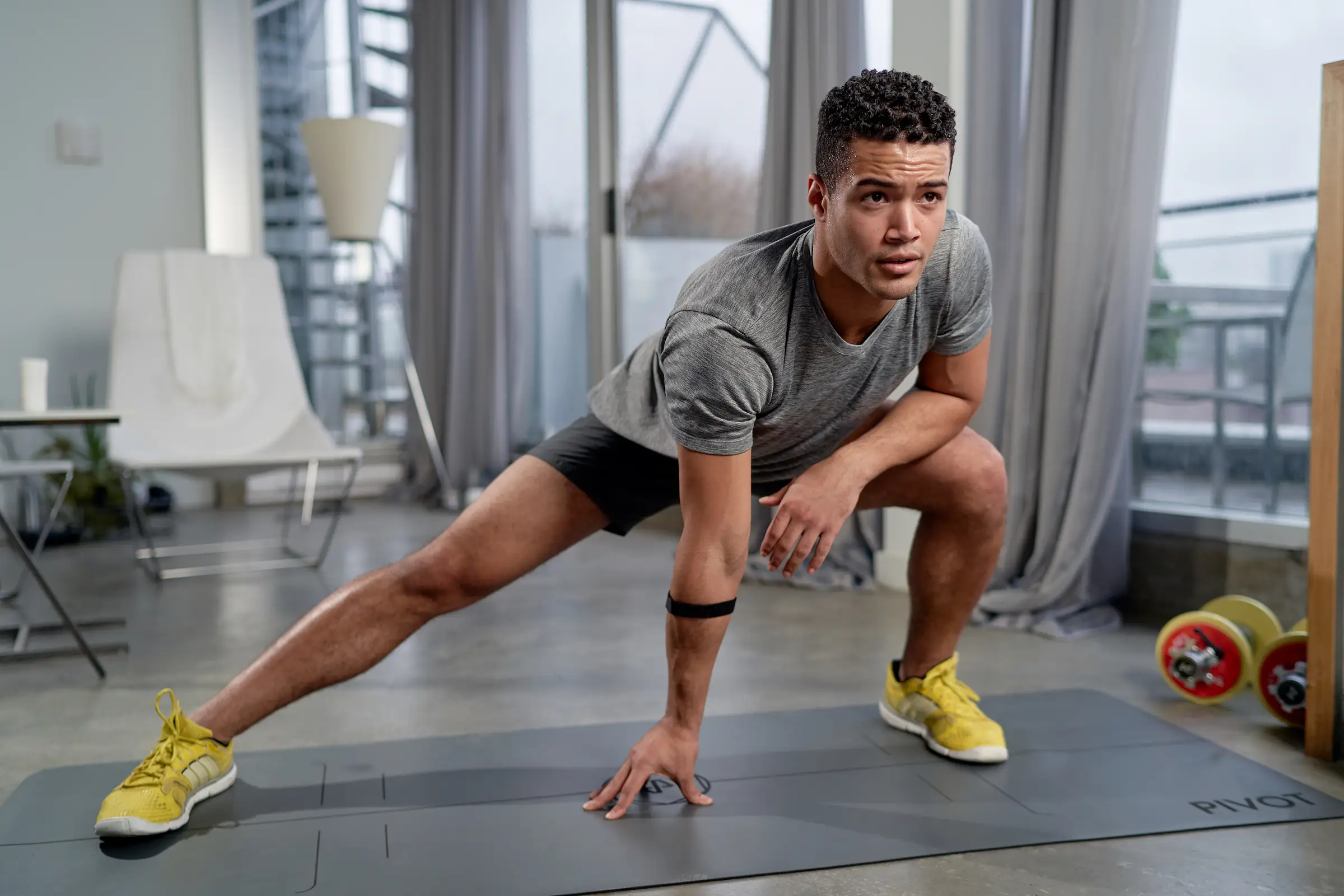
Choosing the right fitness gear for your workout routine can make all the difference in your performance, comfort, and overall experience. Whether you’re lifting weights, running, doing yoga, or engaging in high-intensity interval training (HIIT), the right equipment can help prevent injuries, improve your form, and keep you motivated. With so many options available, it can be overwhelming to know where to start. Here’s a guide to help you choose the best fitness gear based on your needs and workout routine.
1. Understand Your Workout Needs
Before purchasing any fitness gear, it’s essential to assess the type of workouts you regularly do. Different activities require different types of gear to maximize effectiveness and comfort. For instance:
- Running: Running shoes with proper cushioning and support are crucial to prevent joint strain and improve performance.
- Strength Training: Lifting shoes or cross-training shoes are ideal, providing stability and support for weightlifting and other exercises.
- Yoga/Pilates: Lightweight, breathable clothing, along with a good quality yoga mat, is key for comfort and flexibility.
- HIIT: For high-impact workouts, choose gear that offers support, breathability, and flexibility, such as moisture-wicking apparel and cross-trainers.
By identifying the specific needs of your workout routine, you can make informed decisions on what equipment will serve you best.
2. Invest in Proper Footwear
Your feet are the foundation of every workout, so selecting the right shoes is one of the most important aspects of fitness gear. The wrong pair can lead to discomfort or injury. When shopping for workout shoes, consider the following:
- Running Shoes: Look for shoes with proper arch support, cushioning, and a good fit to reduce the impact on your joints.
- Training Shoes: If you do a mix of cardio and strength training, opt for versatile training shoes that offer stability and flexibility for various movements.
- Cross-Training Shoes: Ideal for high-intensity workouts, these shoes provide support for lateral movements and quick direction changes.
Make sure to try on shoes later in the day when your feet are at their largest to ensure a proper fit. Additionally, replace your shoes regularly as worn-out shoes can lead to poor performance and injuries.
3. Choose Moisture-Wicking and Breathable Apparel
Comfortable clothing that helps keep you cool and dry is crucial for any workout. Fabrics designed to wick moisture away from your skin—such as polyester, nylon, and spandex—are great for activewear. These fabrics allow sweat to evaporate quickly, keeping you dry throughout your workout. Breathable apparel can also prevent chafing and irritation during movement.
When choosing fitness clothing, consider the following:
- Tops: Opt for tank tops, tees, or long sleeves that provide freedom of movement and fit well without being too tight or too loose.
- Bottoms: Look for leggings, shorts, or capris made from stretchy material that allows for flexibility, especially during exercises like squats or lunges.
- Compression Gear: For muscle support and recovery, compression garments like tights or sleeves can improve circulation and reduce muscle fatigue during and after exercise.
Choosing the right apparel that fits comfortably and suits your workout will not only improve performance but also boost confidence.
4. Supportive Accessories for Comfort and Safety
Depending on your fitness routine, certain accessories can provide extra support and protection. For example:
- Weightlifting Belts and Gloves: If you lift heavy weights, a weightlifting belt can help protect your lower back, while gloves can prevent calluses and provide a better grip.
- Knee and Wrist Braces: For those with joint concerns or injuries, supportive braces can offer stability during physical activity.
- Headbands and Sweatbands: These can help keep sweat out of your eyes, allowing you to focus more on your workout without distractions.
- Foam Rollers: Ideal for recovery, foam rollers can help ease muscle soreness and improve flexibility after intense workouts.
Accessories like these add an extra layer of protection and comfort to your fitness routine, helping you push yourself safely.
5. Choose the Right Equipment for Your Home Gym
If you’re working out at home, investing in versatile equipment can enhance your workout routine. Some popular fitness gear for home use includes:
- Resistance Bands: Great for strength training, rehabilitation, or stretching, resistance bands come in different levels of resistance to target various muscle groups.
- Dumbbells/Kettlebells: These allow for a range of exercises, from compound movements to isolated muscle work.
- Jump Rope: A simple yet effective cardio tool that also improves coordination and endurance.
- Exercise Ball: Useful for core workouts, stretching, and balance training.
When selecting home fitness equipment, prioritize durability, quality, and versatility to maximize your workout options while saving space.
6. Test and Review Before Buying
Finally, always try out gear before purchasing whenever possible. Read customer reviews online, check product descriptions, and, if possible, test the gear at a fitness store. Comfort, fit, and durability should be your top priorities.
Final Thoughts
Choosing the right fitness gear can enhance your workout experience, help you perform better, and prevent injury. By understanding your workout needs, investing in proper footwear, selecting breathable and moisture-wicking apparel, adding supportive accessories, and equipping your home gym with versatile tools, you’ll be well on your way to achieving your fitness goals. The right gear not only supports your physical performance but also motivates you to stay consistent and committed to your fitness journey.